Because of you…
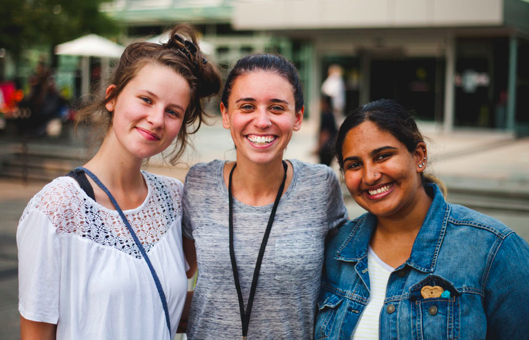
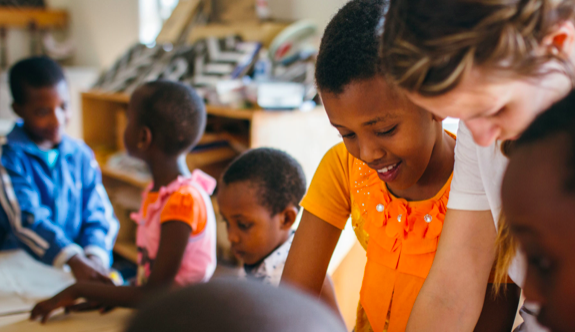
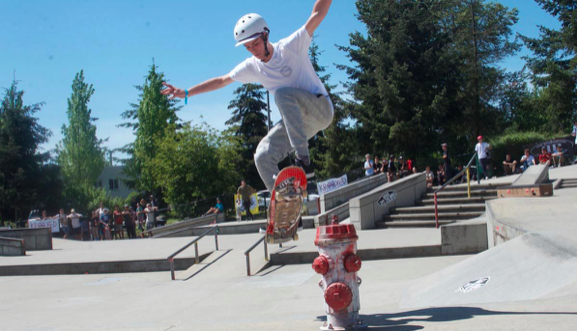
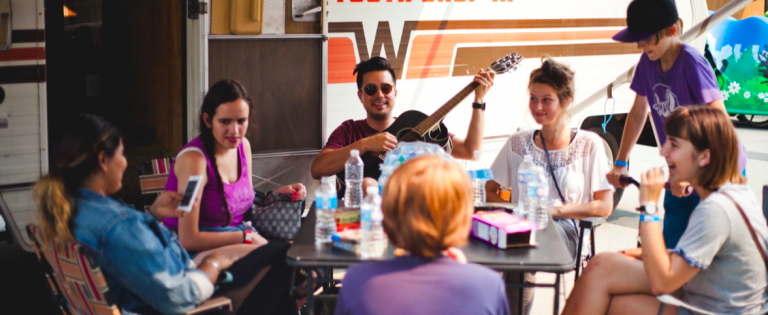
We believe that a relevant presentation of the person and teachings of Jesus must address the culture of the day and include responsible practical responses to poverty, homelessness, addiction, violence and other issues facing youth at risk — including elementary school students. Through global mission partnerships we also challenge Canadian youth to look beyond themselves to a suffering world. We purposefully invest in young people with future leadership potential. At the core of our drive to build bridges with young people is our greatest prayer that they would find the one relationship that brings meaning to every other aspect of life.
About Canada
Canada
Introduction
A land of vast distances and rich natural resources, Canada became a self-governing dominion in 1867 while retaining ties to the British crown. Economically and technologically the nation has developed in parallel with the US, its neighbor to the south across an unfortified border. Canada faces the political challenges of meeting public demands for quality improvements in health care and education services, as well as responding to the particular concerns of predominantly francophone Quebec. Canada also aims to develop its diverse energy resources while maintaining its commitment to the environment.
Geography
Location
Location: Northern North America, bordering the North Atlantic Ocean on the east, North Pacific Ocean on the west, and the Arctic Ocean on the north, north of the conterminous US
Geographic Coordinates: 60 00 N, 95 00 W
Area
Total Area: 9,984,670 sq km Rank: 2
Land Area: 9,093,507 sq km
Water Area: 891,163 sq km
Comparison: Slightly larger than the US
Land Boundaries: 8,893 km
Bordering Countries: US 8,893 km (includes 2,477 km with Alaska)
Coastline: 202,080 km
Climate
Varies from temperate in south to subarctic and arctic in north
Terrain
mostly plains with mountains in west and lowlands in southeast
Elevations
Lowest Point: Atlantic Ocean 0 m
Highest Point: Mount Logan 5,959 m
Natural Resources
iron ore, nickel, zinc, copper, gold, lead, rare earth elements, molybdenum, potash, diamonds, silver, fish, timber, wildlife, coal, petroleum, natural gas, hydropower
Land Use
Arable land: 4.57%
Permanent Crops: 0.65%
Other: 94.78% (2005)
Irrigated Land: 7,850 sq km (2003)
Renewable Water Resources: 3,300 cu km (1985)
Total Freshwater withdrawal (domestic/industrial/agricultural): 44.72 cu km/yr (20%/69%/12%)
Freshwater Withdrawal Per Capita: 1,386 cu m/yr (1996)
Environment
Natural Hazards: continuous permafrost in north is a serious obstacle to development; cyclonic storms form east of the Rocky Mountains, a result of the mixing of air masses from the Arctic, Pacific, and North American interior, and produce most of the country's rain and snow east of the mountains
Environmental Issues: air pollution and resulting acid rain severely affecting lakes and damaging forests; metal smelting, coal-burning utilities, and vehicle emissions impacting on agricultural and forest productivity; ocean waters becoming contaminated due to agricultural, industrial, mining, and forestry activities
Environmental Agreements: Air Pollution, Air Pollution-Nitrogen Oxides, Air Pollution-Persistent Organic Pollutants, Air Pollution-Sulfur 85, Air Pollution-Sulfur 94, Antarctic-Environmental Protocol, Antarctic-Marine Living Resources, Antarctic Seals, Antarctic Treaty, Biodiversity, Climate Change, Climate Change-Kyoto Protocol, Desertification, Endangered Species, Environmental Modification, Hazardous Wastes, Law of the Sea, Marine Dumping, Ozone Layer Protection, Ship Pollution, Tropical Timber 83, Tropical Timber 94, Wetlands
Geography Notes
second-largest country in world (after Russia); strategic location between Russia and US via north polar route; approximately 90% of the population is concentrated within 160 km of the US border
People
Population: 33,759,742 (July 2010 est.) Rank: 36
Age Structure
0-14 years: 16.1% (male 2,761,711/female 2,626,836)
15-64 years: 68.7% (male 11,633,950/female 11,381,735)
65 years and over: 15.2% (male 2,220,189/female 2,862,787) (2010 est.)
Median Age: 40.7 years
Population Growth
Growth Rate: 0.804% (2010 est.) Rank: 138
Birth Rate: 10.28 births/1,000 population (2010 est.) Rank: 190
Death Rate: 7.87 deaths/1,000 population (July 2010 est.) Rank: 109
Urbanization
Urban Population: 80% of total population (2008)
Rate of Urbanization: 1% annual rate of change (2005-10 est.)
Life and Death
Infant Mortality Rate: 4.99 deaths/1,000 live births Rank: 186
Life Expectancy at Birth: 81.29 years Rank: 10
Fertility Rate: 1.58 children born/woman (2010 est.) Rank: 179
Health and Disease
HIV/AIDS - Adult Prevalence Rate: 0.4% (2007 est.) Rank: 80
People living with HIV/AIDS: 73,000 (2007 est.) Rank: 55
HIV/AIDS Deaths: fewer than 500 (2007 est.) Rank: 83
Nationality and Culture
Noun: Canadian(s)
Adjective: Canadian
Ethnic Groups: British Isles origin 28%, French origin 23%, other European 15%, Amerindian 2%, other, mostly Asian, African, Arab 6%, mixed background 26%
Religion: Roman Catholic 42.6%, Protestant 23.3% (including United Church 9.5%, Anglican 6.8%, Baptist 2.4%, Lutheran 2%), other Christian 4.4%, Muslim 1.9%, other and unspecified 11.8%, none 16% (2001 census)
Languages: English (official) 58.8%, French (official) 21.6%, other 19.6% (2006 Census)
Education
Literacy (Meaning, age 15 and over can read and write): 99% Male: 99% Female: 99%
Education expenditures: 4.9% of GDP (2007) Rank: 75
Government
Country Name
Conventional Short Form: Canada
Government Type: a parliamentary democracy, a federation, and a constitutional monarchy
Capital: Ottawa Geographic Coordinates: 45 25 N, 75 42 W
Administrative divisions
10 provinces and 3 territories*; Alberta, British Columbia, Manitoba, New Brunswick, Newfoundland and Labrador, Northwest Territories*, Nova Scotia, Nunavut*, Ontario, Prince Edward Island, Quebec, Saskatchewan, Yukon Territory*
Independence: 1 July 1867 (union of British North American colonies); 11 December 1931 (recognized by UK)
National holiday: Canada Day, 1 July (1867)
Constitution: made up of unwritten and written acts, customs, judicial decisions, and traditions; the written part of the constitution consists of the Constitution Act of 29 March 1867, which created a federation of four provinces, and the Constitution Act of 17 April 1982, which transferred formal control over the constitution from Britain to Canada, and added a Canadian Charter of Rights and Freedoms as well as procedures for constitutional amendments
Legal system: based on English common law, except in Quebec, where civil law system based on French law prevails; accepts compulsory ICJ jurisdiction with reservations
Suffrage: 18 years of age; universal
Executive Branch
Head of State: Queen ELIZABETH II (since 6 February 1952); represented by Governor General David JOHNSTON (since 1 October 2010)
Head of Government: Prime Minister Stephen Joseph HARPER (since 6 February 2006)
Cabinet: Federal Ministry chosen by the prime minister usually from among the members of his own party sitting in Parliament
Elections: the monarchy is hereditary; governor general appointed by the monarch on the advice of the prime minister for a five-year term; following legislative elections, the leader of the majority party or the leader of the majority coalition in the House of Commons generally designated prime minister by the governor general
Election Results: House of Commons - percent of vote by party - Conservative Party 37.6%, Liberal Party 26.2%, New Democratic Party 18.2%, Bloc Quebecois 10%, Greens 6.8%, other 1%; seats by party - Conservative Party 145, Liberal Party 77, New Democratic Party 37, Bloc Quebecois 48, other 1
Politics
Political parties and leaders: Bloc Quebecois [Gilles DUCEPPE]; Conservative Party of Canada [Stephen HARPER] (a merger of the Canadian Alliance and the Progressive Conservative Party); Green Party [Elizabeth MAY]; Liberal Party [Michael IGNATIEFF]; New Democratic Party [Jack LAYTON]
Political pressure groups and leaders: agricultural sector; automobile industry; business groups; chemical industry; commercial banks; communications sector; energy industry; environmentalists; public administration groups; steel industry; trade unions
International Organization Participation: ADB (nonregional member), AfDB (nonregional member), APEC, Arctic Council, ARF, ASEAN (dialogue partner), Australia Group, BIS, C, CDB, EAPC, EBRD, FAO, FATF, G-20, G-7, G-8, G-10, IADB, IAEA, IBRD, ICAO, ICC, ICCt, ICRM, IDA, IEA, IFAD, IFC, IFRCS, IHO, ILO, IMF, IMO, IMSO, Interpol, IOC, IOM, IPU, ISO, ITSO, ITU, ITUC, MIGA, MINUSTAH, MONUSCO, NAFTA, NATO, NEA, NSG, OAS, OECD, OIF, OPCW, OSCE, Paris Club, PCA, PIF (partner), SECI (observer), UN, UNAMID, UNCTAD, UNDOF, UNESCO, UNFICYP, UNHCR, UNMIS, UNRWA, UNTSO, UNWTO, UPU, WCO, WFTU, WHO, WIPO, WMO, WTO, ZC
Flag Description: two vertical bands of red (hoist and fly side, half width) with white square between them; an 11-pointed red maple leaf is centered in the white square; the maple leaf has long been a Canadian symbol; the official colors of Canada are red and white
Economy
Economy Overview: As an affluent, high-tech industrial society in the trillion-dollar class, Canada resembles the US in its market-oriented economic system, pattern of production, and affluent living standards. Since World War II, the impressive growth of the manufacturing, mining, and service sectors has transformed the nation from a largely rural economy into one primarily industrial and urban. The 1989 US-Canada Free Trade Agreement (FTA) and the 1994 North American Free Trade Agreement (NAFTA) (which includes Mexico) touched off a dramatic increase in trade and economic integration with the US, its principal trading partner. Canada enjoys a substantial trade surplus with the US, which absorbs about three-fourths of Canadian exports each year. Canada is the US's largest foreign supplier of energy, including oil, gas, uranium, and electric power. Given its great natural resources, skilled labor force, and modern capital plant, Canada enjoyed solid economic growth from 1993 through 2007. Buffeted by the global economic crisis, the economy dropped into a sharp recession in the final months of 2008, and Ottawa posted its first fiscal deficit in 2009 after 12 years of surplus. Canada's major banks, however, emerged from the financial crisis of 2008-09 among the strongest in the world, owing to the country's tradition of conservative lending practices and strong capitalization. During 2010, Canada's economy grew only 3%, because of weak exports.
Gross Domestic Product
GDP (purchasing power parity): $1.335 trillion (2010 est.) Rank: 15
GDP - real growth rate: 3% (2010 est.) Rank: 128
GDP - per capita (PPP): $39,600 (2010 est.) Rank: 115
GDP - Composition by Sector: Agriculture: 2.3% Industry: 26.4% Services: 71.3% (2009 est.)
Labor Force
Labor Force: 18.59 million (2010 est.) Rank: 31
Labor force - by occupation: Agriculture: 2% Manufacturing: 13% Construction: 6% Services: 76% (2003 est.)
Unemployment Rate: 8% (2010 est.)
Poverty
Population below poverty line: 10.8%; note - this figure is the Low Income Cut-Off (LICO), a calculation that results in higher figures than found in many comparable economies; Canada does not have an official poverty line (2005)
Transnational Issues
International Disputes: managed maritime boundary disputes with the US at Dixon Entrance, Beaufort Sea, Strait of Juan de Fuca, and the Gulf of Maine including the disputed Machias Seal Island and North Rock; Canada, the US, and other countries dispute the status of the Northwest Passage; US works closely with Canada to intensify security measures for monitoring and controlling legal and illegal movement of people, transport, and commodities across the international border; sovereignty dispute with Denmark over Hans Island in the Kennedy Channel between Ellesmere Island and Greenland; commencing the collection of technical evidence for submission to the Commission on the Limits of the Continental Shelf in support of claims for continental shelf beyond 200 nautical miles from its declared baselines in the Arctic, as stipulated in Article 76, paragraph 8, of the United Nations Convention on the Law of the Sea